The Hidden Dangers of Using Incompatible Chargers for Your Batteries
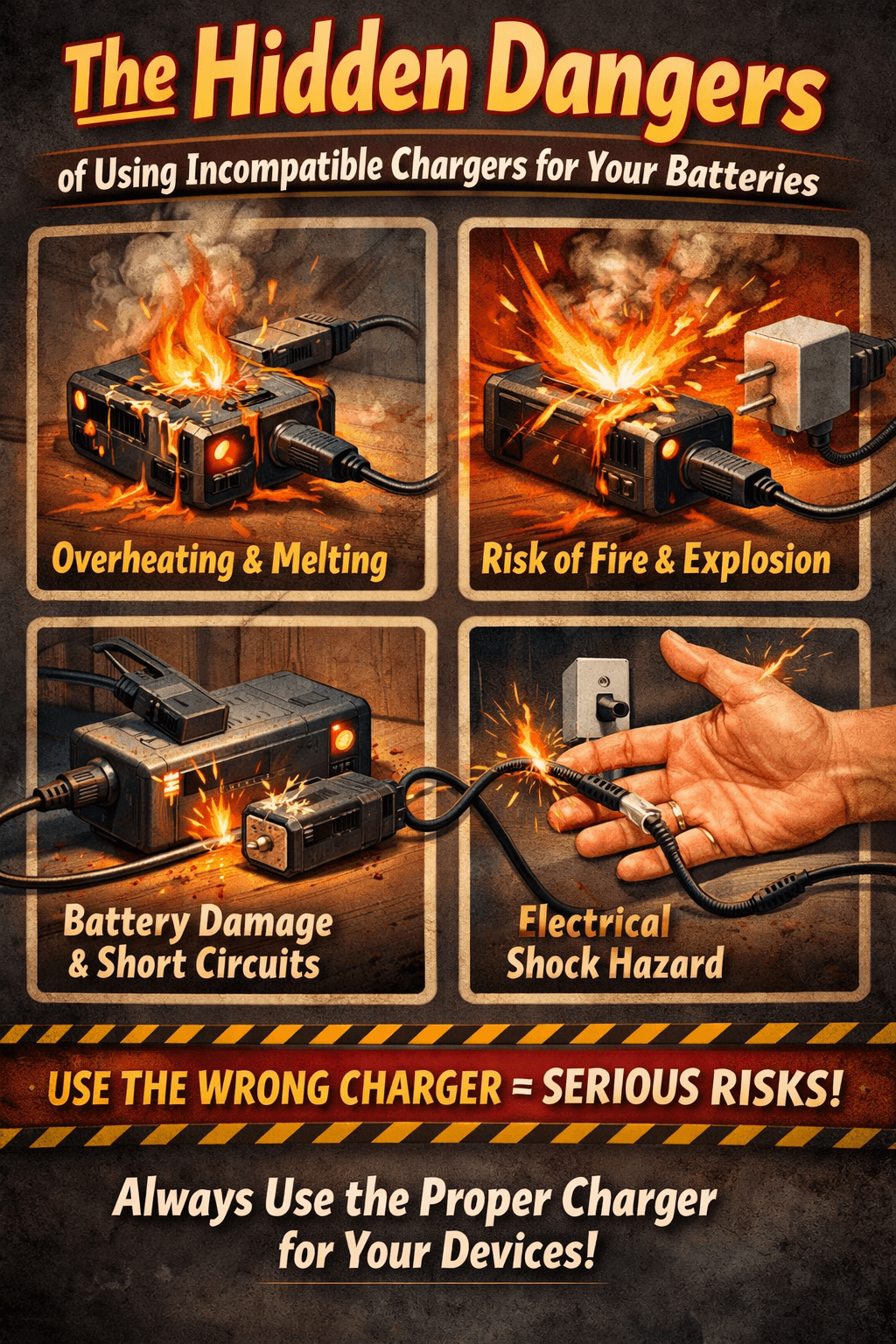
Table of Contents
- 1. Overcharging and Overvoltage
- 2. Undercharging and Insufficient Voltage
- 3. Excessive Current (Amperage) Damage
- 4. Insufficient Current — The Slow Killer
- Fire and Explosion Risk
- Drastically Reduced Battery Life
- Device-Level Damage
- Voided Warranty
- Lithium-Ion (Li-ion) and Lithium Polymer (LiPo)
- Nickel-Metal Hydride (NiMH)
- Nickel-Cadmium (NiCd)
- Lead-Acid Batteries
The Hidden Dangers of Using Incompatible Chargers for Your Batteries
We've all been there. Your charger is nowhere to be found, and you just grab whatever's nearby. Maybe it's your friend's charger, maybe it's that old one sitting in a drawer. It fits the port — so it should be fine, right?
Wrong.
Using an incompatible charger is one of the most common — and most overlooked — mistakes people make with their batteries. And the consequences? They can range from a slightly shorter battery life to a full-on fire hazard.
Let's break it all down.
What Does "Incompatible Charger" Actually Mean?
An incompatible charger is any charger that doesn't match the voltage, current (amperage), or connector type that your device's battery is specifically designed for.
It's not just about whether the plug fits the port. Compatibility goes much deeper than that — it's about what's happening inside the charger and how that electricity is being delivered to your battery.
There are a few key specs that determine charger compatibility:
Voltage (V) — The electrical "pressure" being delivered
Amperage (A) — The rate at which current flows
Wattage (W) — Voltage × Amperage, the overall power output
Connector type — USB-C, Micro-USB, Lightning, proprietary, etc.
When any one of these doesn't match, you've got an incompatible charger on your hands.
Why Do People Use Incompatible Chargers?
Honestly, it's almost always one of these reasons:
The original charger got lost or damaged
A replacement was bought without checking specs
Someone assumed "it fits, so it works"
They were trying to save money with a cheap third-party option
They were in a rush and just grabbed what was available
It's completely understandable. But understanding why it's risky is what helps you avoid it going forward.
What Happens to Your Battery When You Use the Wrong Charger?
This is where things get serious. Your battery doesn't just "charge slower" when you use the wrong charger — a whole chain of damaging reactions can kick off inside the battery cell itself.
1. Overcharging and Overvoltage
If the charger supplies more voltage than the battery is rated for, the battery gets pushed past its safe charging threshold. Lithium-ion batteries — the kind in most phones, laptops, and modern devices — are especially sensitive to overvoltage.
When overvoltage occurs:
The electrolyte inside the battery starts to break down
Excess heat is generated
The battery begins to swell (a process called lithium plating)
In worst cases, thermal runaway can occur — leading to fire or explosion
2. Undercharging and Insufficient Voltage
On the flip side, if the charger delivers too little voltage, the battery never reaches a proper charge. Over time this causes:
Permanently reduced battery capacity
The battery getting "stuck" at low charge levels
Increased charge cycles, wearing the battery out faster
3. Excessive Current (Amperage) Damage
A charger that pushes too many amps forces the battery to absorb energy faster than its chemistry allows. This generates excessive internal heat, which:
Degrades the battery's electrode materials
Shortens the overall battery lifespan significantly
Can trigger dangerous chemical reactions inside the cell
4. Insufficient Current — The Slow Killer
A charger with too low amperage will either charge the device painfully slowly or not at all. And if the device is in use while charging, the battery may actually be draining while appearing to charge — which causes deep discharge damage over time.
The Real-World Risks: What Can Actually Go Wrong?
Let's be real — most of the time when someone uses the wrong charger, nothing dramatic happens immediately. That's part of what makes it so dangerous. The damage is often gradual and invisible until it's too late.
Here's what you're actually risking:
Fire and Explosion Risk
This isn't fear-mongering. Lithium-ion battery fires are well-documented. Overcharging, excessive heat, and overvoltage from incompatible chargers are among the leading causes of battery-related fires in consumer electronics.
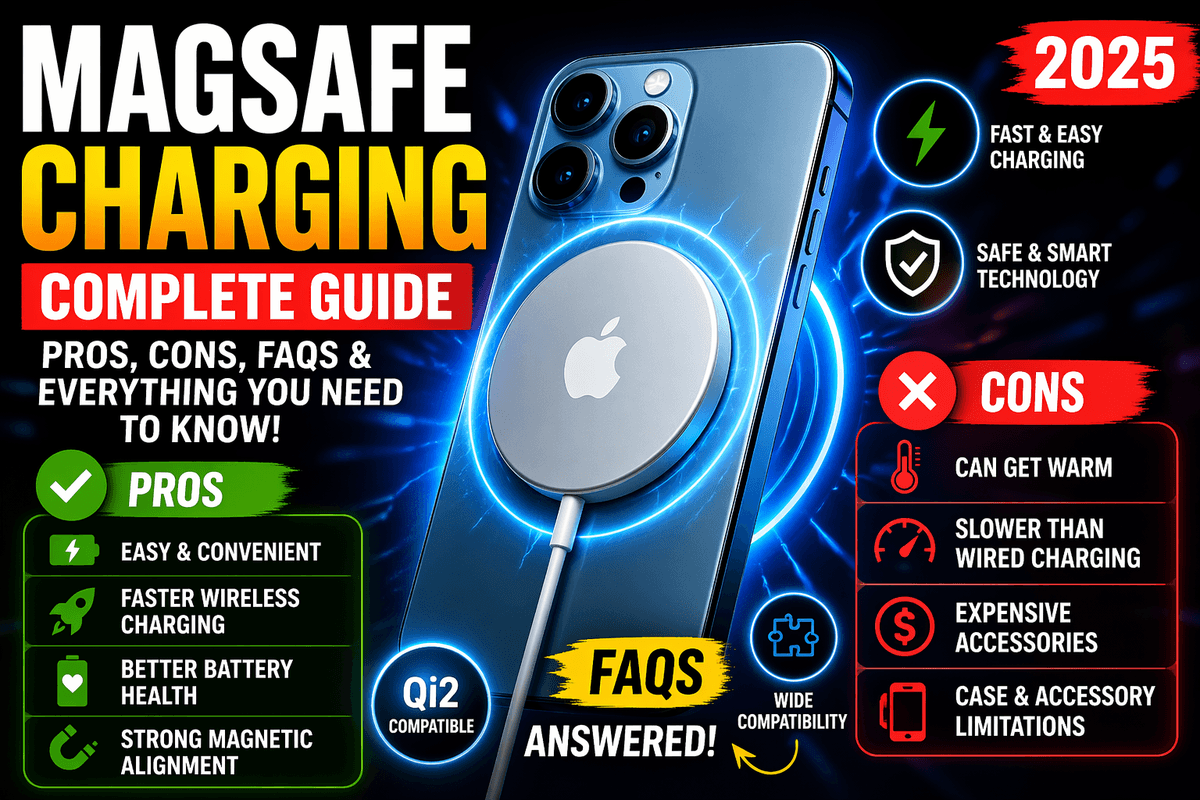
Cheap, unregulated chargers often lack the safety circuits needed to stop charging once the battery is full — creating a ticking time bomb, especially when charging overnight.
Drastically Reduced Battery Life
Even if nothing dramatic happens, your battery's total capacity degrades faster. You'll notice your phone going from 100% to 20% much quicker than it used to. What should have been a 3-year battery life might shrink to 18 months.
Device-Level Damage
It's not just the battery at risk. Sending the wrong voltage or current through your device can damage the charging controller chip, the motherboard, and other sensitive internal components. A charger problem can quickly become a device replacement problem.
Voided Warranty
Most manufacturers explicitly state in their terms that using non-certified or incompatible chargers voids your device warranty. So if something goes wrong, you're on your own.
Specific Battery Types and Their Charger Sensitivity
Different battery chemistries react differently to incompatible chargers. Here's a quick breakdown:
Lithium-Ion (Li-ion) and Lithium Polymer (LiPo)
These are the most charger-sensitive batteries out there. They require precise voltage control — usually 4.2V per cell at full charge. Even slight deviations can accelerate degradation or trigger thermal runaway.
Found in: smartphones, laptops, tablets, drones, electric vehicles
Nickel-Metal Hydride (NiMH)
Less sensitive than Li-ion, but still need chargers with proper cut-off mechanisms. Using a charger without a smart cut-off will cause overcharging, heat buildup, and reduced cycle life.
Found in: AA/AAA rechargeable batteries, older electronics
Nickel-Cadmium (NiCd)
These can tolerate more abuse than modern batteries, but trickle charging with the wrong charger still causes the infamous "memory effect" — where the battery loses its ability to hold a full charge over time.
Found in: power tools, older devices, emergency lighting
Lead-Acid Batteries
Common in cars and backup power systems. These need staged charging (bulk, absorption, float phases). An incompatible charger that skips stages can overheat the electrolyte, warp plates, and destroy the battery in a single session.
Found in: car batteries, UPS systems, solar storage
How to Know if a Charger Is Compatible
Here's a simple checklist to run before plugging in any charger:
Match the voltage — Check your device's original charger or manual for the required input voltage
Check the amperage — Higher amps than required can damage; lower amps will under-charge
Use certified chargers — Look for safety certifications like UL, CE, FCC, or MFi (for Apple devices)
Stick to the manufacturer's recommendation — When in doubt, go with the brand's official accessory
Avoid suspiciously cheap chargers — If a charger is selling for a fraction of the original price, it's almost certainly missing critical safety components
Use smart chargers where possible — Especially for rechargeable AA/AAA, LiPo, and lead-acid batteries — smart chargers automatically adjust voltage and current
Are Third-Party Chargers Always Bad?
Not necessarily — but you have to be careful.
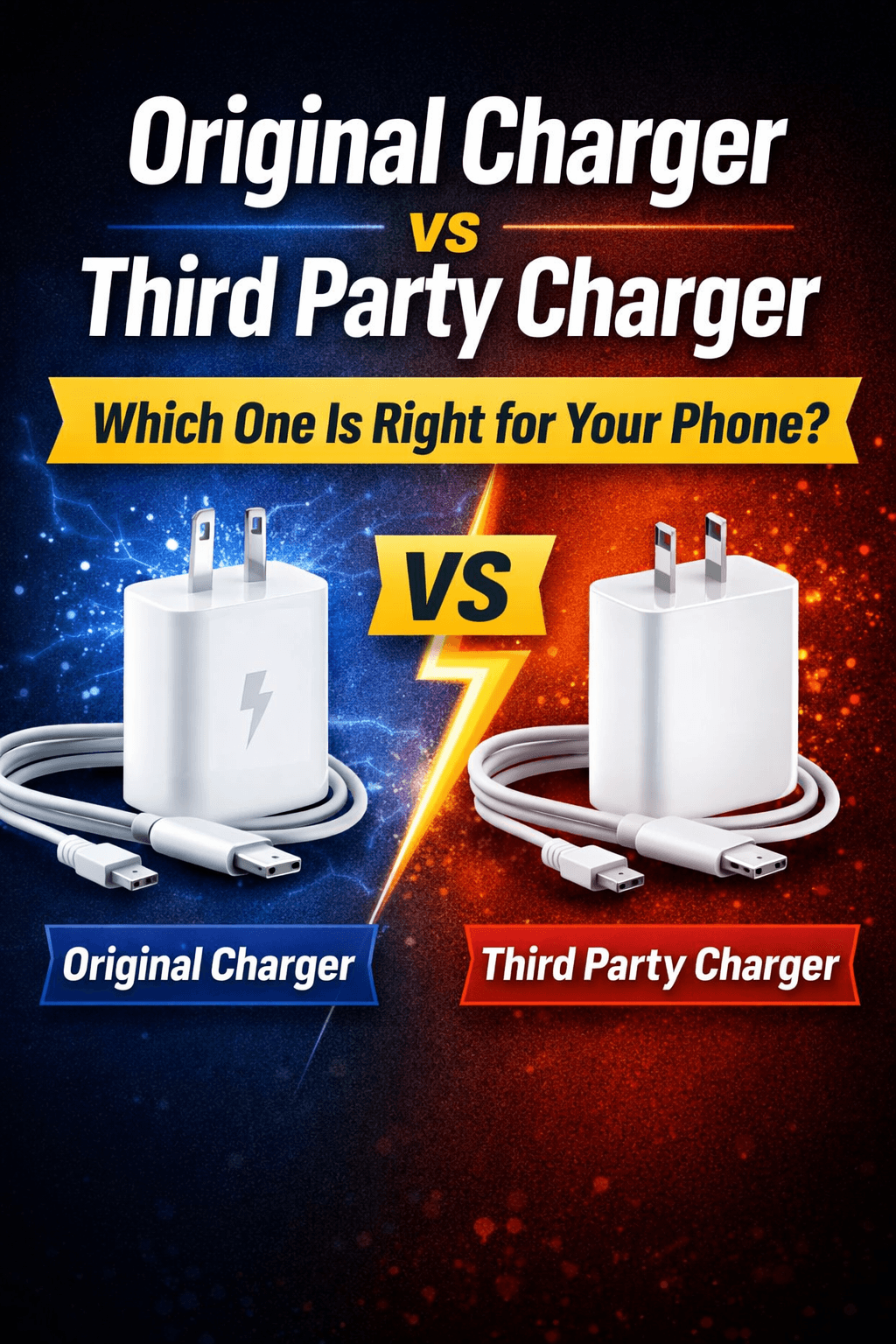
Reputable third-party brands like Anker, Belkin, and RAVPower invest in proper engineering and safety certifications. Their chargers are tested, regulated, and genuinely safe to use.
The danger is in no-name, ultra-cheap chargers that cut corners on safety components — no surge protection, no over-current protection, no temperature management. These are the chargers you find in bulk on generic online marketplaces, and they're responsible for the majority of charger-related battery damage and fire incidents.
What to Do If You've Been Using an Incompatible Charger
First — don't panic. But do take action.
Stop using the incompatible charger immediately
Check your battery — Is it swollen? Does it feel warm even when idle? Is your device shutting down randomly? These are red flags.
Run a battery health check — Most smartphones have a built-in battery health feature. Use it.
Replace the battery if needed — A degraded or swollen battery is a safety risk. Get it replaced by a professional.
Invest in the right charger going forward — It's a small cost compared to replacing a device or dealing with battery damage.
Final Thoughts
Your battery is one of the most important — and most expensive — components in your device. It's worth protecting.
Using an incompatible charger might seem like a harmless shortcut in the moment, but the long-term cost — reduced battery life, potential device damage, and even serious safety risks — is never worth it.
Always charge smart. Always check compatibility. And when in doubt, refer back to bestbatteryguide.com for everything you need to know about keeping your batteries healthy and your devices running longer.
Try Our Battery Health Checklist
Run a quick health check to spot early battery problems.
Battery Health Checklist
Answer 8 quick questions to diagnose your battery
Does your battery drain from 100% to 0% in less than 6 hours with normal use?
Frequently Asked Questions

Written by
BatteryGuides Editorial Team
Our team of battery experts researches and tests every guide to ensure accuracy. We're committed to helping you get the most out of your phone, laptop, and solar batteries.