Is Fast Charging Bad for Your Battery?
Table of Contents
- Everything You Need to Know About Fast Charging and Battery Health
- 🔹 How Fast Charging Actually Works
- 1. Charger & Phone “Handshake”
- 2. Two Charging Phases
- ❌ Common Fast Charging Myths
- Myth 1: Fast Charging “Frys” Your Battery
- Myth 2: Charging Overnight Kills Your Battery
- Myth 3: Always Drain to 0% Before Charging
- 🔹 What Actually Harms Your Battery
- 1. Excessive Heat
- 2. Voltage Extremes
- 3. High Charge Cycles
- 4. Calendar Aging
- ✅ How to Fast Charge Without Damaging Your Battery
- 1. Use Certified Chargers
- 2. Keep Your Phone Cool While Charging
- 3. Avoid Heavy Usage While Charging
- 4. Stick to the 20–80% Sweet Spot
- 💡 Final Thoughts
⚡ Is Fast Charging Bad for Your Battery?
Everything You Need to Know About Fast Charging and Battery Health
Fast charging has become a game-changer in modern smartphones. Fifteen minutes on the charger and you’re back to 50% — it feels almost magical. But many users worry: does fast charging harm my battery?
The answer isn’t a simple yes or no. Let’s break it down step by step — the science, myths, real risks, and best practices to protect your battery while enjoying fast charging.
🔹 How Fast Charging Actually Works
Fast charging isn’t about “pouring electricity in aggressively.” Modern devices use controlled, intelligent charging systems.
Here’s how it works:
1. Charger & Phone “Handshake”
When you plug in your phone, the charger and phone communicate.
Using protocols like USB Power Delivery (USB-PD), your phone tells the charger exactly how much power it can safely accept.
The phone always controls the power flow, preventing overload.
2. Two Charging Phases
Phase 1 — Bulk Charge (0% to ~70–80%)
Fast charging delivers a strong, steady current.
The battery can absorb this energy efficiently without stress.
Phase 2 — Saturation Charge (80% to 100%)
Charging speed slows down automatically.
This prevents overheating and protects the battery’s cells.
✅ This two-phase process makes fast charging both efficient and safe for battery health.
❌ Common Fast Charging Myths
Myth 1: Fast Charging “Frys” Your Battery
Modern phones have a Battery Management System (BMS) monitoring temperature, voltage, and current.
If anything unsafe occurs, the system throttles or stops charging automatically.
Reality: Fast charging cannot overload a properly functioning phone.
Myth 2: Charging Overnight Kills Your Battery
Once your phone reaches 100%, it stops drawing significant power.
Occasional overnight charging is fine; prolonged full-charge stress is gradual, not immediate.
Myth 3: Always Drain to 0% Before Charging
This is outdated advice from nickel-cadmium batteries.
Lithium-ion batteries prefer 20–80% usage.
Frequent full discharges can actually stress the battery more than partial cycles.

🔹 What Actually Harms Your Battery
Fast charging is often blamed for battery degradation, but real culprits are:
1. Excessive Heat
Heat accelerates chemical reactions inside lithium-ion cells.
Cheap chargers often produce more heat due to poor voltage regulation.
2. Voltage Extremes
Keeping your battery at 0% or 100% for long periods causes stress on cells.
This reduces battery capacity over hundreds of cycles.
3. High Charge Cycles
Every full charge counts as a cycle.
Frequent fast charging can increase cycle count over time, but it’s the number of cycles, not speed, that matters.
4. Calendar Aging
Batteries degrade naturally with time, even if unused.
Fast charging does not accelerate this process significantly.
✅ How to Fast Charge Without Damaging Your Battery
Enjoy fast charging safely with these best practices:
1. Use Certified Chargers
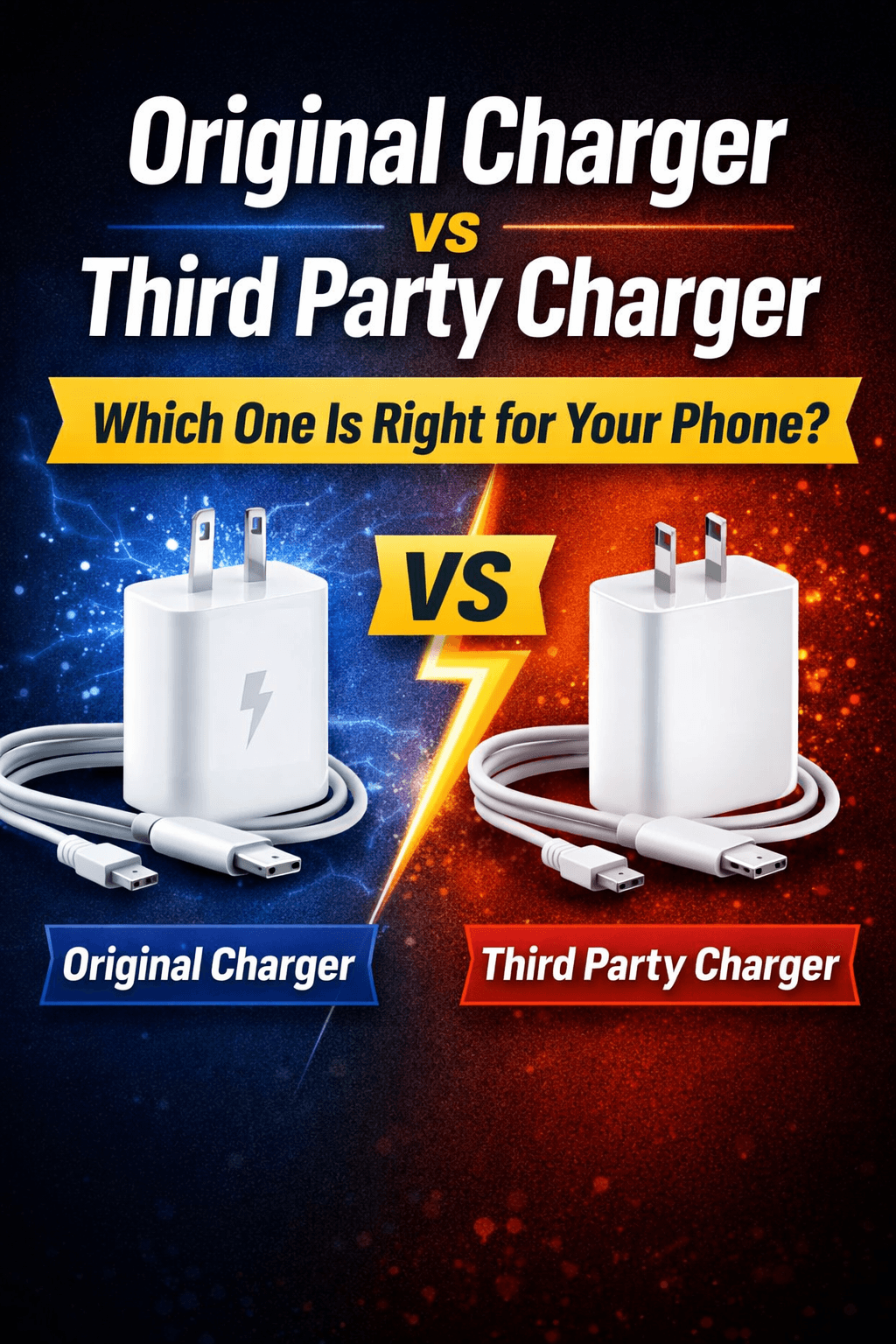
Always use USB-PD certified chargers from reputable brands.
Avoid cheap, off-brand chargers that can generate excessive heat or unstable voltage.
2. Keep Your Phone Cool While Charging
Remove thick cases to prevent heat buildup.
Charge on a hard, flat surface for proper ventilation.
Avoid charging under pillows, blankets, or direct sunlight.
3. Avoid Heavy Usage While Charging
Gaming, streaming, or intensive apps generate additional heat.
Heat from the processor plus fast charging can stress your battery.
4. Stick to the 20–80% Sweet Spot
Try to unplug before reaching 100% and recharge before hitting 20%.
Fast charging makes topping up quick and convenient.

💡 Final Thoughts
Fast charging is safe and effective when used responsibly. Most “battery damage” stories come from poor habits or cheap accessories, not the technology itself.
By following a few simple guidelines — quality chargers, cooling, and partial charging cycles — you can enjoy rapid charging every day while keeping your battery healthy for years.
For more honest, in-depth battery guides and tips, visit bestbatteryguide.com
Try Our Battery Health Checklist
Run a quick health check to spot early battery problems.
Battery Health Checklist
Answer 8 quick questions to diagnose your battery
Does your battery drain from 100% to 0% in less than 6 hours with normal use?
Frequently Asked Questions

Written by
BatteryGuides Editorial Team
Our team of battery experts researches and tests every guide to ensure accuracy. We're committed to helping you get the most out of your phone, laptop, and solar batteries.