Comparison

Fast Charging vs Normal Charging: What’s Better for Your Battery?

BBatteryGuides Editorial TeamMarch 2, 20266 min readUpdated March 18, 2026
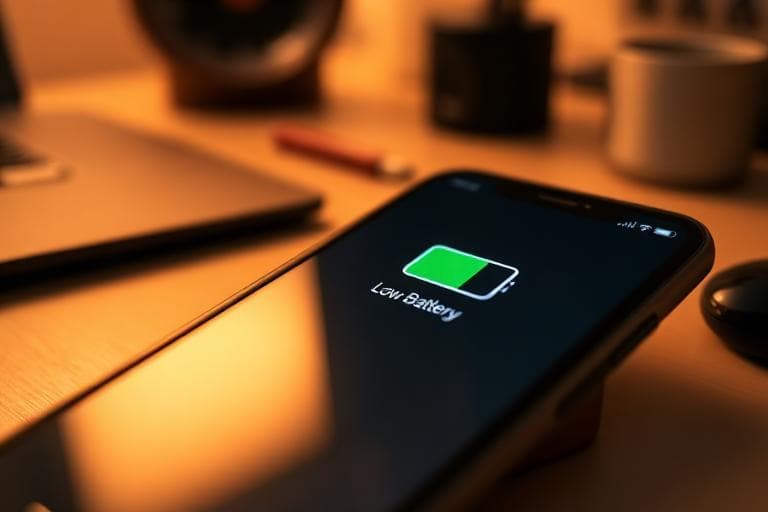
Phone charging with cable on desk
Advertisement

Fast Charging vs Normal Charging

You’ve heard the warnings: “Fast charging kills your battery.” But is that actually true in 2026? With phones now shipping with 45W, 65W, and even 100W+ chargers, the industry clearly doesn’t think so.

Let’s compare the two approaches across every metric that matters.

Side-by-Side Comparison

Fast Charging (25W+)

0→50% Time~20-30 minutes
0→100% Time~45-90 minutes
Heat GenerationModerate to high
Battery Degradation (2yr)~12-15% capacity loss
Charger Cost$25-50
ConvenienceExcellent
Overnight SafeWith smart charging
Energy Efficiency~80-85%

Normal Charging (5-10W)

0→50% Time~60-90 minutes
0→100% Time~2.5-4 hours
Heat GenerationLow
Battery Degradation (2yr)~8-10% capacity loss
Charger Cost$10-15
ConvenienceRequires planning
Overnight SafeIdeal
Energy Efficiency~90-92%

How Fast Charging Works

Standard charging pushes electricity into your battery at a steady 5 watts (5V × 1A). Fast charging increases this dramatically — USB Power Delivery supports up to 240W, Qualcomm Quick Charge 5.0 up to 100W, and OnePlus SUPERVOOC up to 100W.

The key innovation is variable voltage and current. Instead of a fixed 5V, fast chargers negotiate with your phone to deliver higher voltage during the first 50-70% of charging, then taper down as the battery fills.

The Heat Question

Heat is the #1 enemy of lithium-ion batteries. Every 10°C increase in operating temperature roughly doubles the rate of chemical degradation. Fast charging generates 5-10°C more heat than normal charging.

Modern phones mitigate this with multi-cell battery designs, thermal throttling, GaN chargers, and graphene-enhanced batteries. The practical impact: after 2 years of daily fast charging, you might see 12-15% capacity loss versus 8-10% with normal charging.

Advertisement

Battery Degradation: The Real Numbers

MetricFast ChargingNormal Charging
After 300 cycles~92% health~95% health
After 500 cycles~85% health~90% health
After 800 cycles~78% health~84% health
Temperature during charge35-42°C28-33°C
Replacement recommended~2.5 years~3 years

The difference is 6-8 months of extra usable life for normal charging — meaningful, but not dramatic.

Pros & Cons

Fast Charging

Fast Charging

Pros

  • 50% charge in 20-30 minutes
  • Perfect for busy schedules
  • Essential for emergency top-ups
  • Modern safety features prevent damage
  • Multi-cell designs reduce heat

Cons

  • Generates more heat than standard
  • Slightly faster battery degradation
  • Requires specific charger/cable
  • More expensive charger hardware
  • Less energy efficient
Normal Charging

Normal Charging

Pros

  • Minimal heat generation
  • Better long-term battery health
  • Works with any USB cable/charger
  • Cheaper hardware
  • More energy efficient

Cons

  • Takes 2.5-4 hours for a full charge
  • Not practical for quick top-ups
  • Requires advance planning
  • Can feel slow after using fast charging

The Smart Approach: Use Both

  1. Use fast charging for daytime top-ups when you need quick power
  2. Use normal charging (or optimized charging) overnight
  3. Enable your phone’s optimized/adaptive charging feature
  4. Avoid charging in hot environments regardless of speed
  5. Keep your battery between 20-80% when possible

Our Verdict

Fast charging won't kill your battery — but it does accelerate degradation slightly. The convenience trade-off is worth it for most people, especially with modern safety features. Use fast charging when you need speed, and let slow/optimized charging handle overnight sessions.

Best for convenience

Fast Charging

Best for battery longevity

Normal Charging

Best overall strategy

Both — situationally

Best for overnight

Optimized Charging (auto)

Calculate Your Charging Time

Want to know exactly how long your device takes to charge? Try our Charging Time Calculator — input your battery size and charger wattage for a precise estimate.

Frequently Asked Questions

BatteryGuides Editorial Team

Written by

BatteryGuides Editorial Team

Our team of battery experts researches and tests every guide to ensure accuracy. We're committed to helping you get the most out of your phone, laptop, and solar batteries.
You Might Also Like