iPhone vs Android Battery Life: Which Phone Really Lasts Longer?
Table of Contents
- Why Battery Capacity (mAh) Does Not Always Mean Longer Battery Life
- How iPhones Achieve Strong Battery Performance
- 1. Full Control Over Hardware and Software
- 2. Highly Efficient Processors
- 3. Adaptive Display Technology
- How Android Phones Approach Battery Life
- 1. Larger Battery Capacity
- 2. Faster Charging Technology
- 3. Smart Battery Optimization
- Side-by-side comparison
- Which Phone Has Better Battery Life?
- Future Trends in Smartphone Battery Technology
- Tips to Improve Battery Life on Any Phone
- Conclusion
One of the biggest debates in the smartphone world is iPhone vs Android battery life. Many users want a phone that lasts the entire day without needing to recharge. Apple and Android manufacturers take different approaches to battery performance—some rely on efficiency, others on large cells and fast charging.
This guide compares how iPhones and Android phones manage power, where each platform tends to shine, and how to choose based on your habits. For troubleshooting, read common battery issues in phones; for daily habits, see tips to keep your phone battery healthy.
Official background: Apple explains its approach to batteries and performance on Apple’s battery information page.
Why Battery Capacity (mAh) Does Not Always Mean Longer Battery Life
When comparing smartphones, many people focus on milliamp-hours (mAh). It is easy to assume a bigger number means longer life—but that is not always true.
Battery life depends on efficiency, not just size. A well-optimized phone can deliver longer real-world use even with a smaller battery—like a fuel-efficient car versus a truck with a huge tank.
Efficiency depends on:
- Processor power management
- Software optimization
- Display technology and refresh behavior
- Background app management
A highly optimized phone may lose only 2–3% overnight; a poorly optimized one might lose 10%+ without use. Heat is another clue: efficient phones stay cooler during light tasks.
How iPhones Achieve Strong Battery Performance
Apple uses a strategy built around tight integration: it designs processors, hardware, and iOS together.
1. Full Control Over Hardware and Software
Because Apple controls the full stack, the system can minimize wasted energy. iOS also manages background activity aggressively compared with many Android skins—often improving standby time.
2. Highly Efficient Processors
Apple Silicon uses performance and efficiency cores; the OS moves work to the right cores to limit power draw during simple tasks.
3. Adaptive Display Technology
Many modern iPhones use ProMotion and adaptive refresh—high refresh when scrolling, lower when content is static—reducing power for reading and idle UI.
How Android Phones Approach Battery Life
Android devices often emphasize large batteries and fast charging—especially flagships.
1. Larger Battery Capacity
Many Android flagships ship with 4500–6000 mAh cells. That extra capacity helps gaming, streaming, and navigation sessions where screen-on time dominates.
2. Faster Charging Technology
45W, 65W, or higher wired charging is common. Users can top up quickly between meetings instead of needing a phone that lasts 16 hours untouched.
3. Smart Battery Optimization
Features like Adaptive Battery learn which apps you use and limit background work for the rest—though effectiveness varies by manufacturer skin.
Side-by-side comparison
| Feature | iPhone (typical flagship) | Android flagship |
|---|---|---|
| Main strategy | Efficiency + ecosystem control | Large cell + fast charging |
| Battery size trend | Smaller mAh vs many Android peers | Larger mAh common |
| Charging speed | Moderate (USB-PD / MagSafe) | Very fast wired on many models |
| Standby overnight | Often very strong | Varies by brand and background rules |
| Heavy gaming / 5G | Depends on model; heat matters | Large buffer helps; heat still matters |
| Software optimization | Very consistent on supported devices | Good—varies by OEM |
iPhone (typical flagship)
Android flagship
iPhone
Pros
- Strong standby and idle efficiency on many models
- Predictable optimization within Apple’s ecosystem
- Long-term OS updates on recent devices
- Adaptive display tech on Pro models saves power
Cons
- Slower peak charging than many Android flagships
- Smaller raw mAh can mean less headroom under extreme load
- Repair and battery service costs vary by region
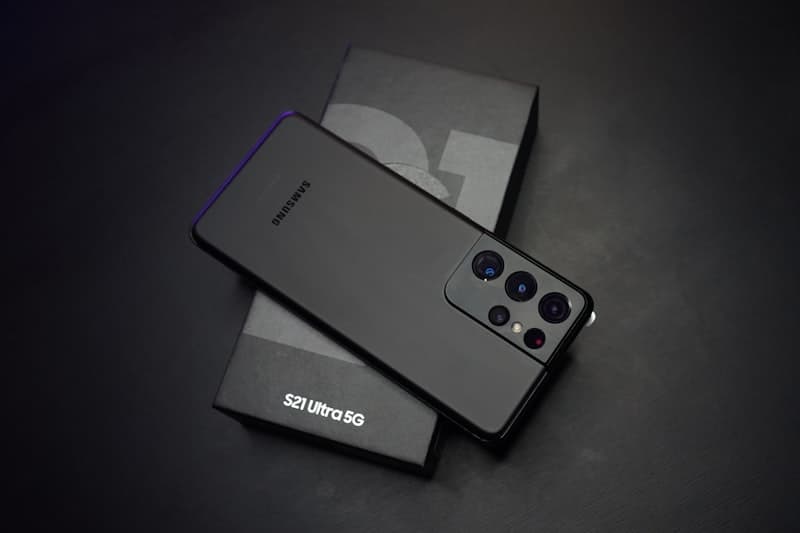
Android flagship
Pros
- Large batteries for long screen-on sessions
- Very fast wired charging reduces downtime
- More hardware variety at different price points
- Power-user modes and granular background controls (OEM-dependent)
Cons
- Standby drain varies more by manufacturer
- Background behavior can be harder to tune
- Fast charging can increase heat if misused
Our Verdict
There is no universal winner. iPhones often lead on efficiency and overnight standby; Android flagships frequently win on raw endurance under heavy use and on charging speed. Pick based on whether you value all-day consistency or maximum screen-on + quick top-ups.
Best for predictable daily mixed use
iPhone (recent flagship)
Best for heavy screen-on + fast top-ups
Android flagship
Best for ultra-fast wired charging
Android flagship
Best for tight hardware-software integration
iPhone
Which Phone Has Better Battery Life?
For everyday browsing, messaging, and photos, many users report consistent all-day performance on recent iPhones thanks to optimization.
For long gaming sessions, hotspot use, or navigation, large-battery Android phones often feel more forgiving—and fast charging changes how you think about “battery life” because refills are shorter.
Future Trends in Smartphone Battery Technology
Expect more efficient processors, improved cell chemistry, smarter thermal management, and safer fast charging on both platforms. Software will keep playing a huge role: background rules, adaptive refresh, and on-device ML for power budgeting.
Tips to Improve Battery Life on Any Phone
Regardless of ecosystem:
- Reduce brightness or use auto-brightness.
- Prefer Wi-Fi over cellular when signal is weak.
- Restrict aggressive background apps.
- Enable battery saver when needed.
- Avoid heat—cars in summer, gaming while charging, thick cases trapping warmth.
Conclusion
The iPhone vs Android battery life debate comes down to efficiency vs capacity + charging speed. Both ecosystems can deliver excellent results in 2026 hardware—your usage style should drive the decision.
If you want set-and-forget optimization, iPhones are compelling. If you need maximum screen-on time and fast refills, a flagship Android device may fit better. Combine any phone with the habits in our battery health tips for the best longevity.
Frequently Asked Questions

Written by
BBGuides Editorial Team
Our team of battery experts researches and tests every guide to ensure accuracy. We're committed to helping you get the most out of your phone, laptop, and solar batteries.