Original vs Duplicate Battery: Which One Should You Choose?
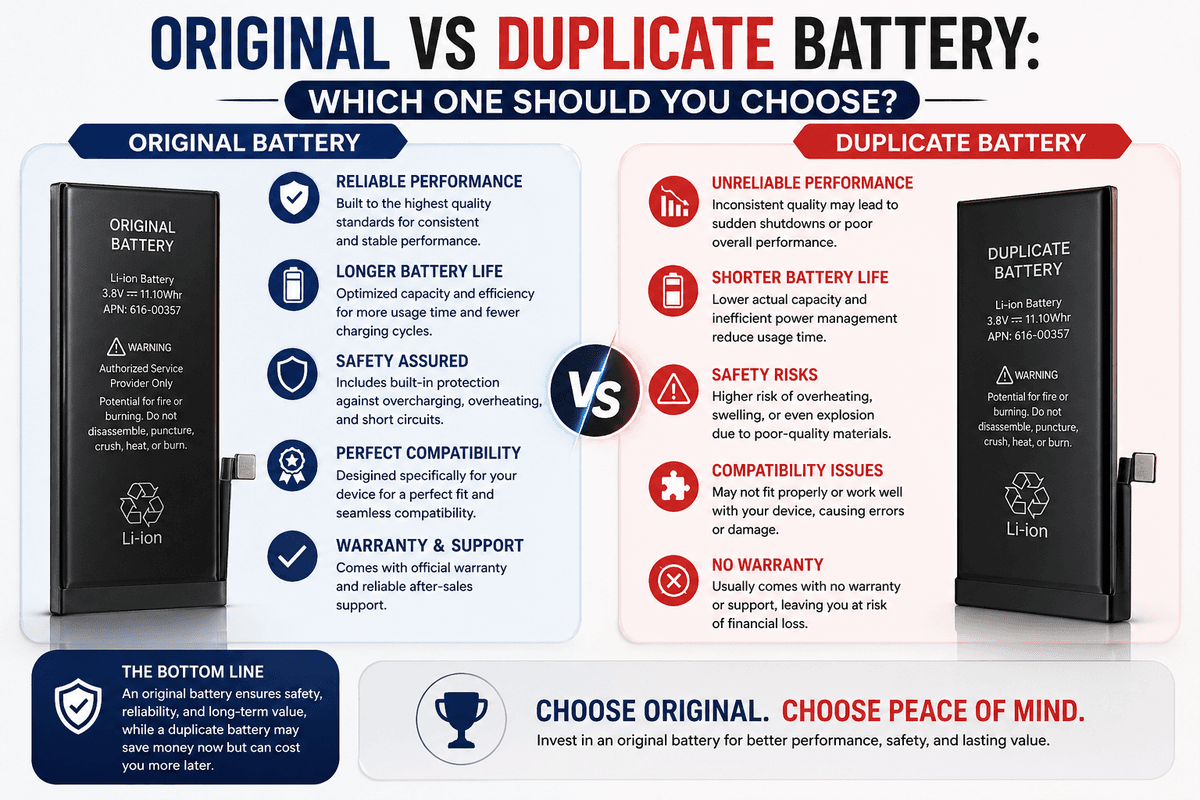
Table of Contents
- What Is an Original Battery?
- What Is a Duplicate Battery?
- Original vs Duplicate Battery: Key Differences
- 1. Build Quality and Materials
- 2. Battery Capacity (mAh)
- 3. Battery Lifespan
- 4. Safety Standards
- 5. Performance and Device Compatibility
- 6. Warranty and After-Sales Support
- 7. Price
- How to Identify an Original Battery
- Dangers of Using a Duplicate Battery
- When Might You Consider an Aftermarket Battery?
- Original vs Duplicate Battery: Quick Comparison Table
- Final Verdict: Which Battery Is Better?
Every smartphone, laptop, or electronic device depends heavily on its battery. When the time comes to replace a worn-out battery, consumers are faced with a critical decision: should they buy an original (OEM) battery or go for a cheaper duplicate?
This question is more important than it may seem. The battery you choose directly impacts your device's performance, safety, and longevity. With the market flooded with counterfeit and duplicate batteries, it's easy to be misled by low prices and convincing packaging. In this comprehensive guide, we break down everything you need to know about original vs duplicate batteries so you can make the right decision.
What Is an Original Battery?
An original battery, also called an OEM (Original Equipment Manufacturer) battery, is produced by the same manufacturer that made your device — or by an authorized partner. For example, an original Samsung battery is produced under Samsung's direct quality control, and an original iPhone battery is manufactured under Apple's specifications.
Original batteries are designed to perfectly match the device's voltage requirements, capacity ratings, and physical dimensions. They go through rigorous testing for safety, performance, and lifespan before reaching consumers.
What Is a Duplicate Battery?
A duplicate battery (also called a fake, copy, aftermarket, or counterfeit battery) is manufactured by third-party companies — often without authorization from the original device maker. These batteries are made to look like the original but are typically produced with cheaper materials, lower-grade cells, and minimal quality control.
Duplicate batteries are widely available in local markets and online platforms at prices significantly lower than original ones. While they may seem like a good deal upfront, they often come with serious trade-offs.
Original vs Duplicate Battery: Key Differences
1. Build Quality and Materials
Original batteries use high-grade lithium-ion or lithium-polymer cells sourced from trusted suppliers. The internal components, including separators, electrolytes, and electrode materials, meet strict manufacturing standards.
Duplicate batteries, on the other hand, cut costs by using substandard raw materials. The cells inside may be recycled, refurbished, or simply of inferior quality — resulting in a battery that underperforms from day one.
2. Battery Capacity (mAh)
One of the biggest tricks duplicate battery manufacturers play is false mAh ratings. A duplicate battery may be labeled as 4000mAh, but in reality deliver only 2000–2500mAh of actual capacity. This means your phone will drain faster than expected, even though the label claims otherwise.
Original batteries are accurately rated and tested to deliver the stated capacity consistently.
3. Battery Lifespan
Original batteries are designed to last 300 to 500 full charge cycles before dropping to 80% capacity — which typically translates to 2–3 years of normal use. Duplicate batteries may lose capacity much faster, sometimes degrading noticeably within just a few months.
4. Safety Standards
This is arguably the most critical difference. Original batteries are built with multiple layers of safety protection, including:
Overcharge protection
Short-circuit protection
Temperature control circuits
Pressure relief mechanisms
Duplicate batteries often lack these protections entirely. This makes them prone to overheating, swelling, leaking, and in extreme cases, catching fire or exploding. There have been numerous documented cases worldwide of cheap counterfeit batteries causing fires and injuries.
5. Performance and Device Compatibility
Original batteries are calibrated to communicate accurately with your device's battery management system (BMS). This ensures accurate battery percentage readings, optimal charging behavior, and consistent performance.
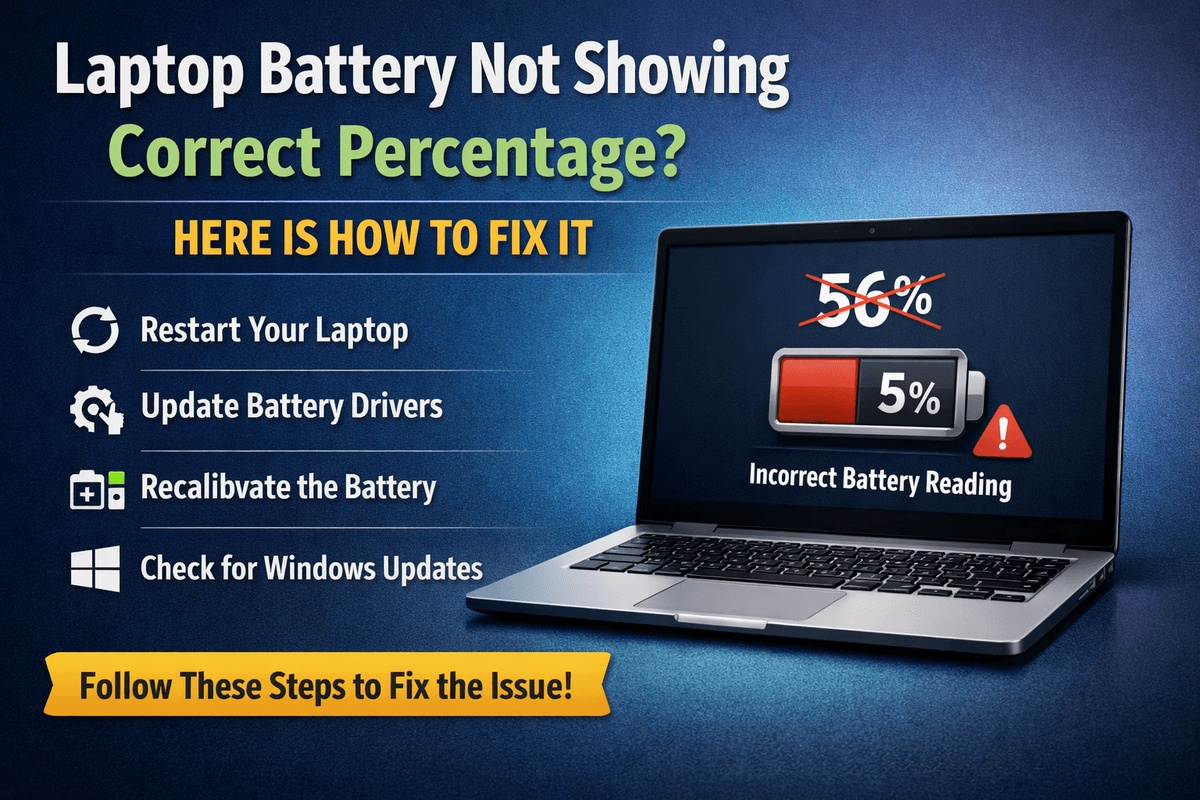
Duplicate batteries may cause erratic battery readings (e.g., dropping from 50% to 5% suddenly), incompatibility warnings, or even prevent the device from charging properly.
6. Warranty and After-Sales Support
Original batteries almost always come with a manufacturer's warranty — typically 6 to 12 months. If a genuine battery fails within the warranty period, you can get a replacement or refund through official channels.
Duplicate batteries rarely come with any legitimate warranty. Even if a seller offers a "replacement guarantee," enforcing it is often difficult or impossible.
7. Price
The most obvious advantage of a duplicate battery is the price. Duplicate batteries can cost 50–80% less than original ones. However, considering their shorter lifespan, poor performance, and safety risks, the real cost over time is often much higher.
How to Identify an Original Battery
With counterfeit batteries becoming increasingly sophisticated, spotting a fake can be challenging. Here are some reliable ways to verify originality:
Check the Hologram or QR Code: Most original batteries include a holographic sticker or QR code that can be scanned to verify authenticity on the manufacturer's official website.
Inspect the Packaging: Original batteries come in high-quality packaging with clear branding, precise printing, and no spelling errors. Duplicate packaging often looks slightly off — colors may be faded, fonts inconsistent, or text poorly aligned.
Weight Test: Original batteries tend to be slightly heavier due to higher-quality internal components. If a battery feels unusually light, it may be a duplicate.
Buy From Authorized Sources: Always purchase from official brand stores, authorized service centers, or reputable certified retailers. Avoid unverified online sellers offering unusually low prices.
Use Official Verification Tools: Brands like Samsung, Huawei, and Apple have official tools or apps to verify genuine accessories and batteries.
Dangers of Using a Duplicate Battery
Using a duplicate battery is not just about poor performance — it can be genuinely dangerous. Here's what's at stake:
Device Damage: A poor-quality battery can damage your device's charging port, motherboard, or other internal components due to irregular voltage outputs.
Overheating: Duplicate batteries frequently overheat during charging and usage, which can degrade other components and reduce the overall life of your device.
Fire and Explosion Risk: Unprotected lithium batteries can swell, leak toxic chemicals, or ignite. Substandard batteries have caused house fires, injuries, and product recalls worldwide.
Data Loss: Sudden battery failure or shutdowns can cause unsaved data loss and, in extreme cases, corrupt your device's operating system.
Voided Warranty: Using a non-genuine battery can void your device's official manufacturer warranty, leaving you with no recourse if something goes wrong.
When Might You Consider an Aftermarket Battery?
While we strongly recommend original batteries for safety and performance, there are some legitimate scenarios where a high-quality aftermarket battery could be considered:
When the device is very old and the original battery is no longer available
When the cost of an original battery exceeds the market value of the device itself
When purchasing from a reputable, certified third-party brand (e.g., Anker, Baseus) that provides verified quality and safety certifications
Even then, always prioritize brands with CE, RoHS, or UL certifications over unknown no-brand duplicates.
Original vs Duplicate Battery: Quick Comparison Table
Feature | Original Battery | Duplicate Battery |
|---|---|---|
Build Quality | High | Low |
Accurate mAh Rating | Yes | Often Falsified |
Safety Protection | Full | Minimal or None |
Lifespan | 2–3 Years | Months to 1 Year |
Compatibility | Perfect | Often Poor |
Warranty | Yes | Rarely |
Price | Higher | Lower |
Risk Level | Very Low | High |
Final Verdict: Which Battery Is Better?
The answer is clear — original batteries are significantly better in every meaningful category. They are safer, more reliable, longer-lasting, and better for your device's overall health.
Yes, they cost more upfront. But when you factor in the risks of fire, device damage, and frequent replacements, the original battery is the smarter long-term investment. Your device is worth protecting, and so are you.
If budget is a genuine concern, consider saving up for a few more weeks to buy an original — or look for certified refurbished original batteries from trusted sources. Never compromise on safety for the sake of saving a few dollars.
Try Our Battery Health Checklist
Run a quick health check to spot early battery problems.
Battery Health Checklist
Answer 8 quick questions to diagnose your battery
Does your battery drain from 100% to 0% in less than 6 hours with normal use?
Frequently Asked Questions

Written by
BatteryGuides Editorial Team
Our team of battery experts researches and tests every guide to ensure accuracy. We're committed to helping you get the most out of your phone, laptop, and solar batteries.